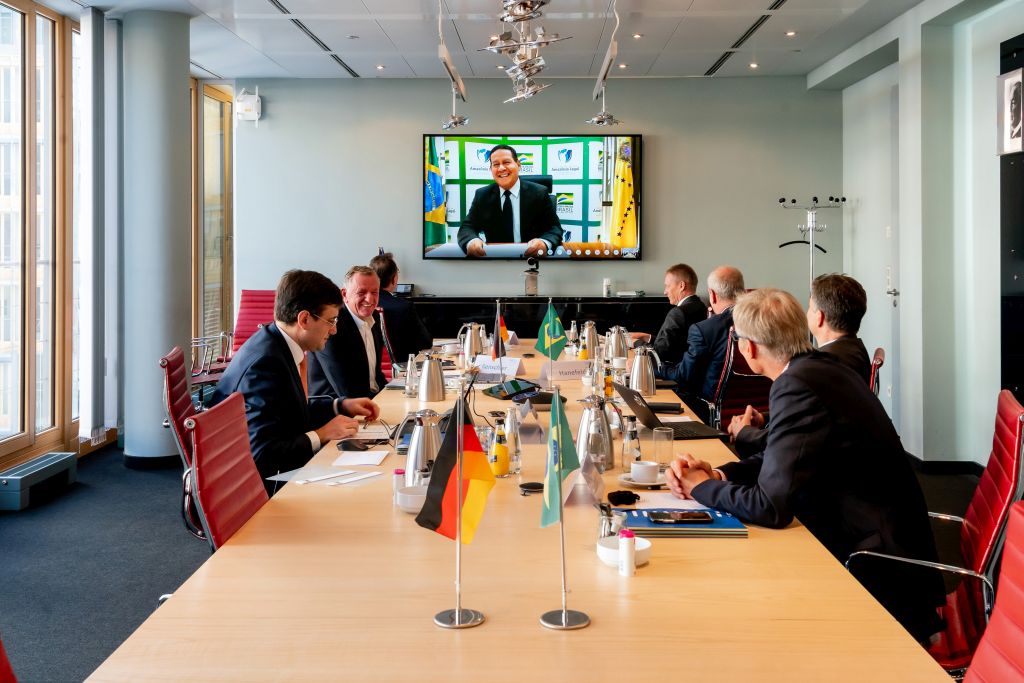
Minister of Economy Paulo Guedes in conversation with LADW

The guest of honour at this year’s LADW member meeting was the Brazilian Minister of Finance and Economy, Paulo Guedes. The Minister and the LADW members discussed Brazil’s current political and economic situation and the prospects for cooperation with Germany.

Minister Guedes reiterated that Brazil was very interested in cooperation with German industry. The German interlocutors made it clear that this also applied to them – particularly in view of the impact of the pandemic and climate change on an exporting country like Germany. This is why the EU trade agreement with Mercosur is so important. The fact that its ratification has not yet been able to begin two years after its political conclusion is a cause of great concern to the German economy. The EU and Mercosur should make the most of this unique opportunity to expand cooperation and show a willingness to compromise in the final steps before ratification.

According to Paulo Guedes, his country’s aspiration to join the OECD is well on its way and many of the requirements for the public sector, environmental policy and social issues have already been met.

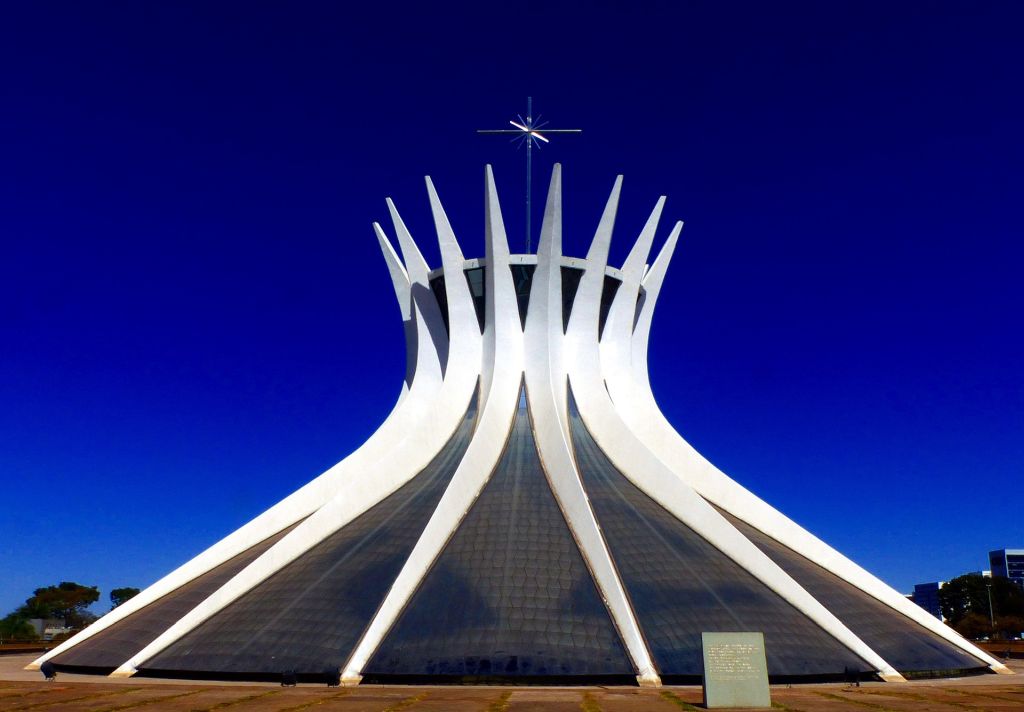
Brasília
© Pixabay/Thorge

EU-Mercosur Agreement as a driver for sustainability

EU and Mercosur business leaders are looking to the negotiated agreement between the two regions as a lever to strengthen sustainability. Political and business representatives from the EU, Portugal and Brazil agreed at the Debate organised by BusinessEurope on 30 April 2021 that the EU and Mercosur will have more benefits with the agreement than without.

It would promote technology transfers and stimulate economic growth in both regions. Moreover, it could create the very mechanisms that comprehensively promote sustainable agriculture and lower-carbon supply chains.

According to Valdis Dombrovskis, Vice-President and Trade Commissioner of the EU Commission, the agreement is one of the most progressive the EU has ever negotiated in terms of trade and sustainable development. In order to dispel existing doubts about this, the EU Commission has proposed to include an additional instrument in the agreement. This would make it possible to better monitor and ensure compliance with commitments to protect the climate and the environment. The Mercosur states are prepared to discuss this.

Now both sides need to work on the definition, negotiation and implementation of this instrument. Then the formal legal examination of the agreement – the so-called “legal scrubbing” – could be finalised. Dombrovskis expects this to happen by the end of 2021, and the ratification process could begin in 2022. For this to succeed, it is essential that the positive voices make themselves heard more, says the trade commissioner.

EU-Banner
© Pixabay/S. Hermann & F. Richter

Economic development and climate protection are mutually dependent

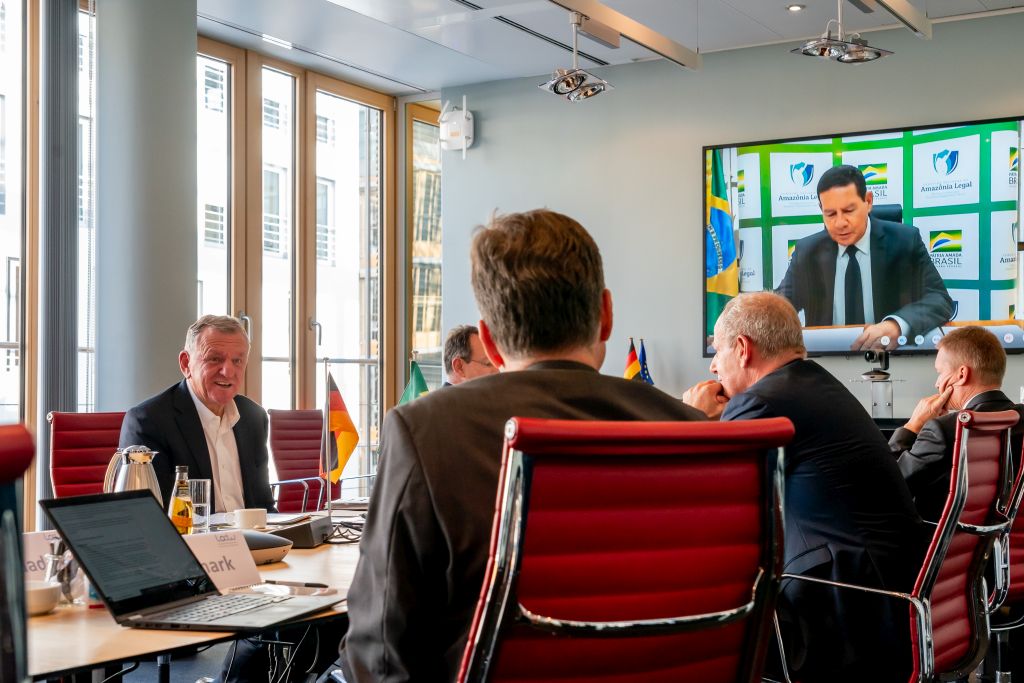
The Brazilian Vice President, General Hamilton Mourão, sees German companies playing a special role in the country’s transformation towards a green economy. In a virtual conversation with the LADW at the end of September, he assured that economic growth in Brazil would not be at the expense of the climate – economic development and environmental protection would not be mutually exclusive, but the one would not work without the other. Mourão chairs the National Council for the Amazon region and steers the government’s measures to protect the regulatory forest.

In the view of the Vice President, the EU-Mercosur agreement is of strategic importance for more climate protection in Brazil. With the agreement, the country is committing itself to the protection, preservation and sustainable development of the Amazon region while adhering to the goals of the Paris Climate Protection Agreement – it is important to preserve the region for future generations.

The representatives of German business also discussed the potential for intensifying bilateral cooperation with the Vice President. Starting with agriculture and infrastructure, through to Industry 4.0 and digitization. In this context, the LADW members pleaded for an improvement in the framework conditions for German companies in Brazil, for example by concluding a new double taxation agreement.

According to Mourão, the Brazilian government will continue the reforms of the tax system that have already begun in order to further reduce protectionism, bureaucracy and state intervention and to increase the productivity of the Brazilian economy. Particularly against the background that the largest global crisis since World War II, caused by the outbreak of the COVID-19 pandemic, must be overcome together, the strengthening of the economy plays a decisive role for the largest economy in Latin America.

Virtual_talk_with_VP_Mourao
Virtual talk with the Brazilian Vice President Mourão © Christian Kruppa
Vice President Mourão
© Christian Kruppa

Let’s talk more with each other…

There is a great danger that states will retreat into themselves in the face of the Covid 19 pandemic and the rapid emergence of climate change. Entire regions, such as Latin America, could thus be left behind in the global context. This would threaten achievements in bilateral cooperation that have been built up over decades – with serious consequences for the German economy.

At the annual members’ meeting of LADW on September 30, 2020, the company’s board members agreed that this scenario must be avoided at all costs, and that Latin America remains an important market for Germany and its companies – despite the Corona crisis. The need for talks with the region was therefore still high. The current heated debates about the EU-Mercosur agreement also made this clear. This agreement in particular would be an instrument to provide urgently needed impetus for both sides – in the economy, but also in climate policy!

After all, economic development and environmental protection are not mutually exclusive, but rather mutually dependent, as Brazilian Vice President Mourão emphasized in talks with LADW in the run-up to the meeting.

In the discussion with the Parliamentary State Secretary in the Federal Ministry for Economic Cooperation and Development, Dr. Maria Flachsbarth, on the same evening, it became clear once again that politics and business in Germany, the EU and also in Latin America urgently need to work out a common denominator in order not to isolate themselves from each other in the current situation, but to find solutions together for the upcoming challenges.

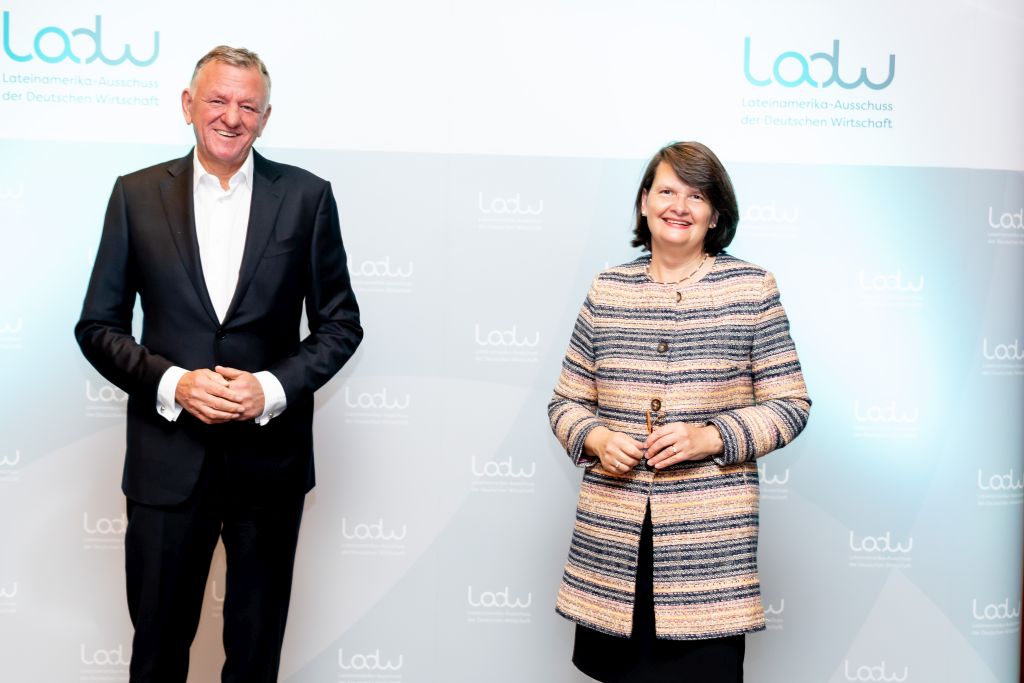
LADW Chairman and PStS Flachsbarth
LADW Chairman Andreas Renschler and Parliamentary State Secretary Dr. Maria Flachsbarth © Christian Kruppa
LADW_Fireside_Chat_with_BMZ
LADW Kaminabend with BMZ © Christian Kruppa
LADW Kaminabend with BMZ II
© Christian Kruppa

Argentina is seeking allies in Europe

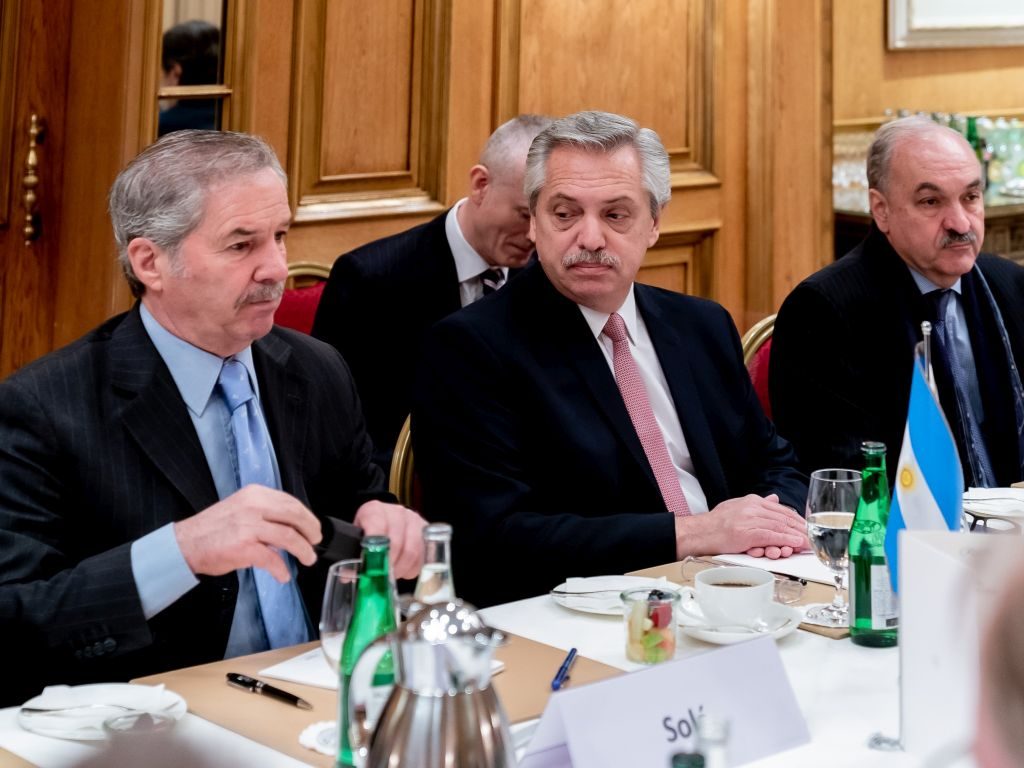
Argentina’s President Alberto Fernández, who has only been in office since December 2019, also visited Berlin today as part of a European tour for a discussion with Chancellor Merkel.

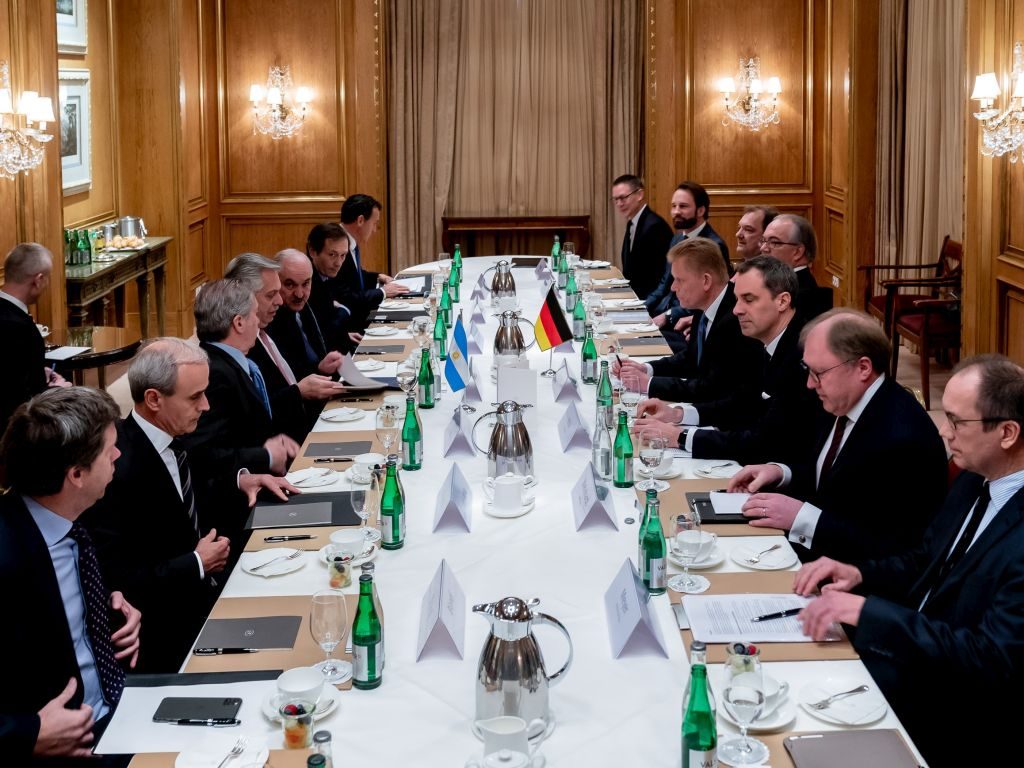
In an economic meeting with the President and his delegation organized by LADW, Fernández expressed his great openness towards the involvement of German companies in Argentina. Argentina needs the German economy and sees it as a partner for a comeback of the country.

The revival of Argentina is the president’s top priority, but the first step remains a long-term strategy for rescheduling debt still to be negotiated, especially with the International Monetary Fund (IMF). The government is making efforts to restore confidence in the country and to improve the framework conditions for investment. For example, a new law is intended to strengthen investment security in the country. The current protectionist measures are bitter but temporary remedies. Fernández also spoke out in favour of multilateralism and international organisations.

During his trip Fernández also met the Pope, Italian Prime Minister Giuseppe Conte, Spanish Prime Minister Pedro Sánchez and French President Emmanuel Macron. Support from EU countries is sought for the intended renegotiation of the repayment of the IMF loan.

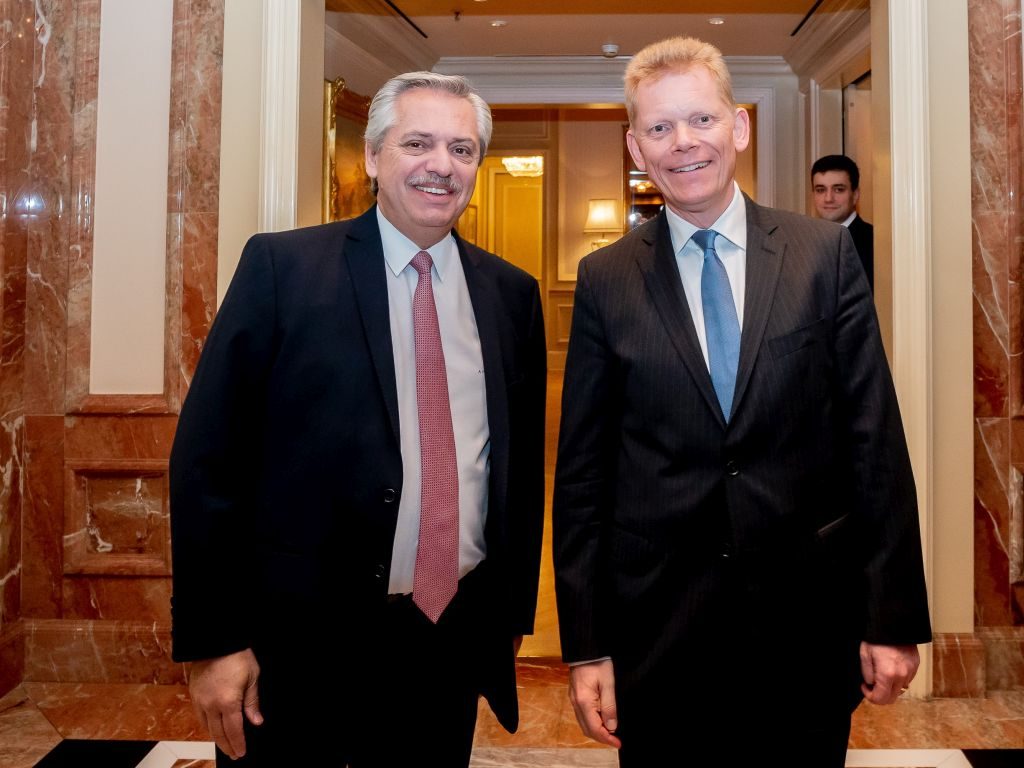
President Fernández and LADW Vice Chairman Kerkhoff
President Fernández and LADW Vice Chairman Kerkhoff © Christian Kruppa
Minister of Foreign Affairs Solá, President Fernández and Ambassador Villagra Delgado
Minister of Foreign Affairs Solá, President Fernández and Ambassador Villagra Delgado (from left to right) © Christian Kruppa
President Fernández in conversation with German business
President Fernández in conversation with German business © Christian Kruppa

Strengthening cooperation with Latin America

The German industry is pressing to expand its engagement in Latin America. To achieve this, new emphases are needed in Latin America policy. The Latin America Committee of German Business (LADW) and the Federation of German Industries (BDI) are therefore presenting a joint position paper for stronger cooperation with the region.

On the occasion of the publication of the position paper, LADW Chairman Andreas Renschler stressed: “Free trade agreements are urgently needed for German companies in their cooperation with Latin America so that we can continue to play a strategic role there in the future. An early ratification of the EU-Mercosur Agreement is indispensable”.

The paper is based on the findings of the CEO Agenda for economic cooperation with Latin America of LADW and McKinsey & Company and contains recommendations for action to politicians.

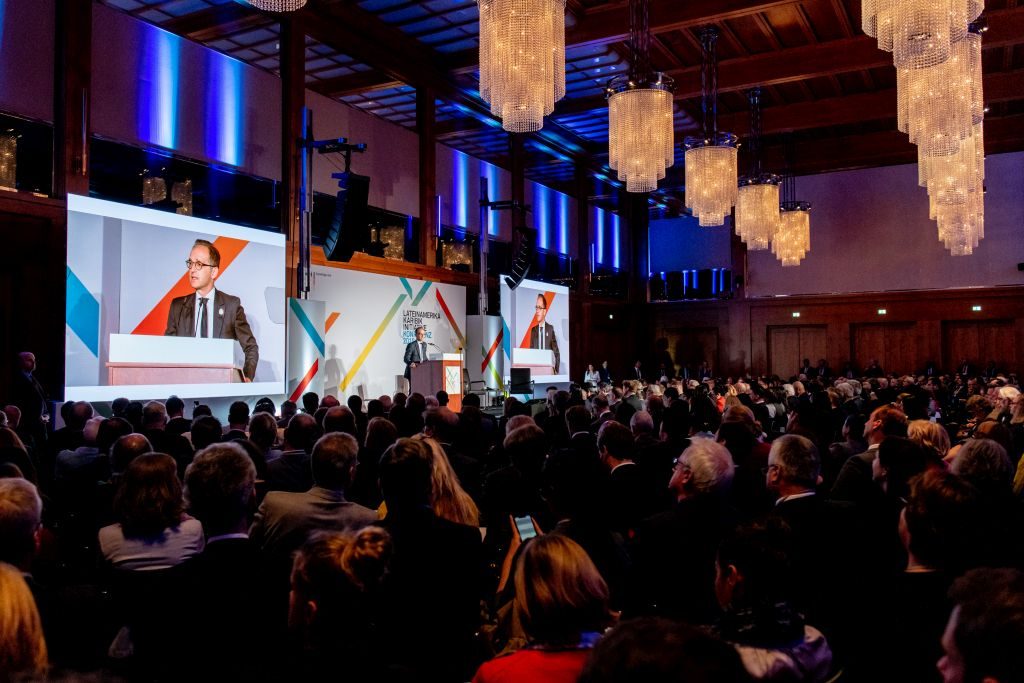
Minister Maas at the Latin America-Caribbean-Conference
Minister Maas at the Latin America-Caribbean-Conference © Christian Kruppa

Modernising the strategic partnership with Brazil

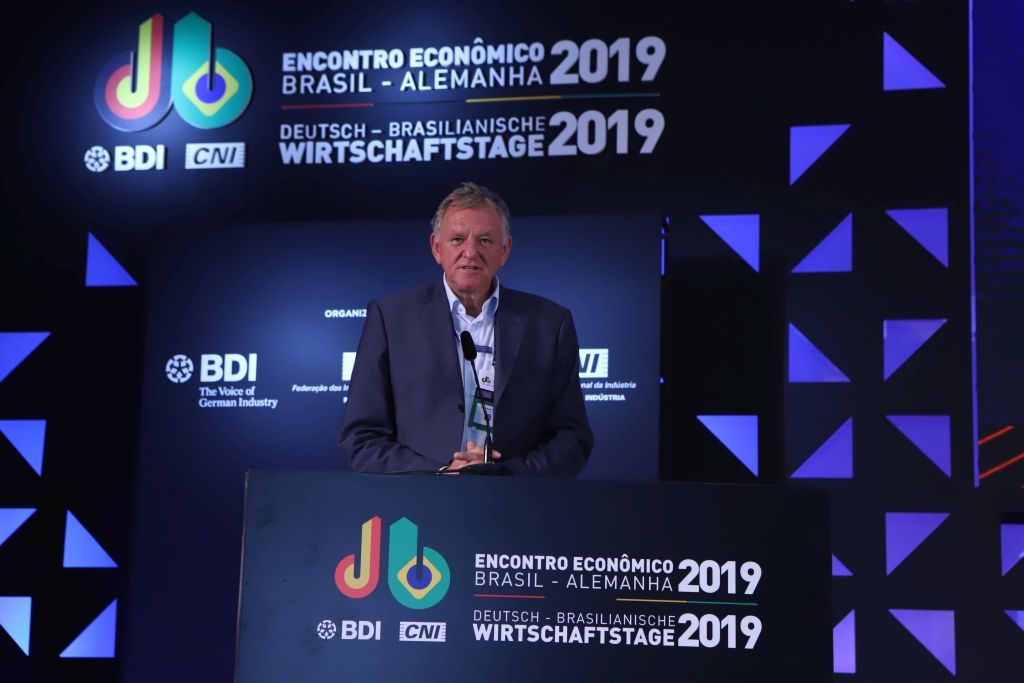
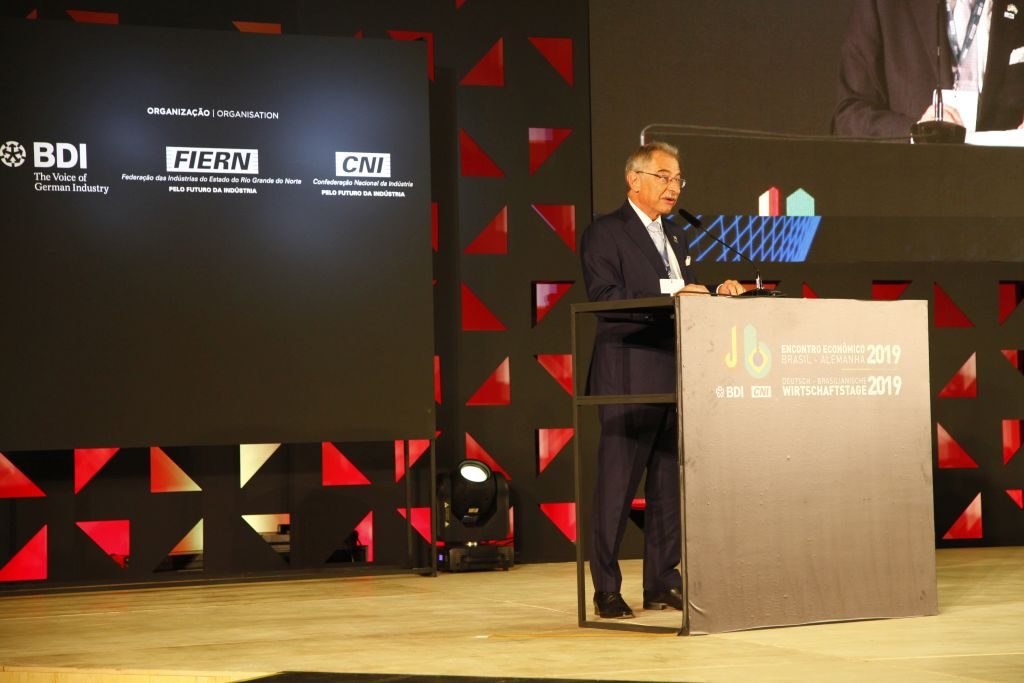
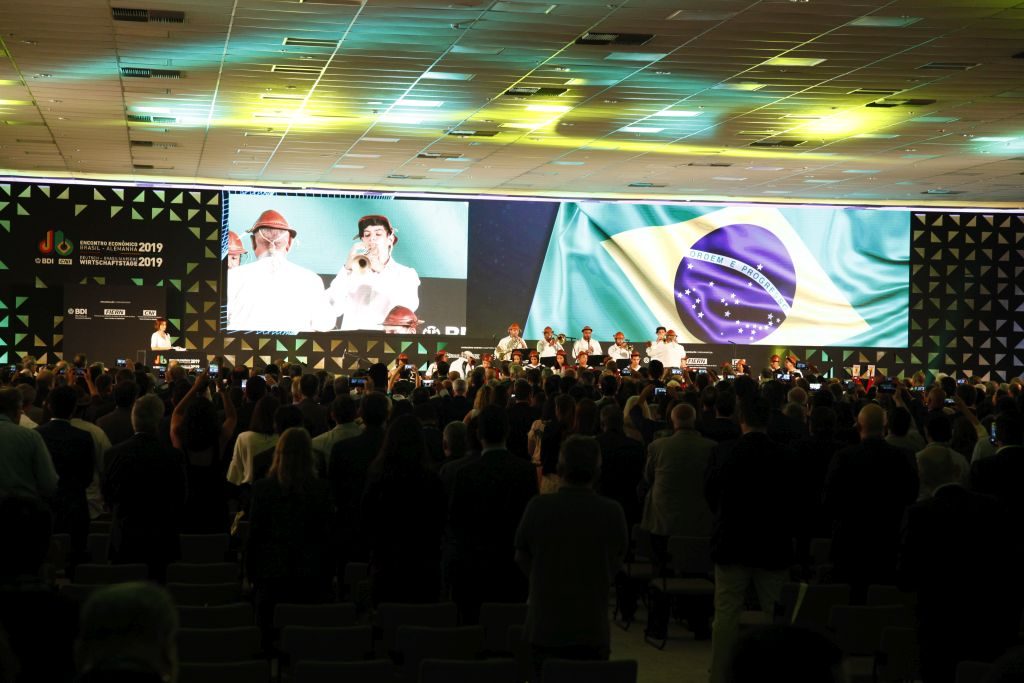
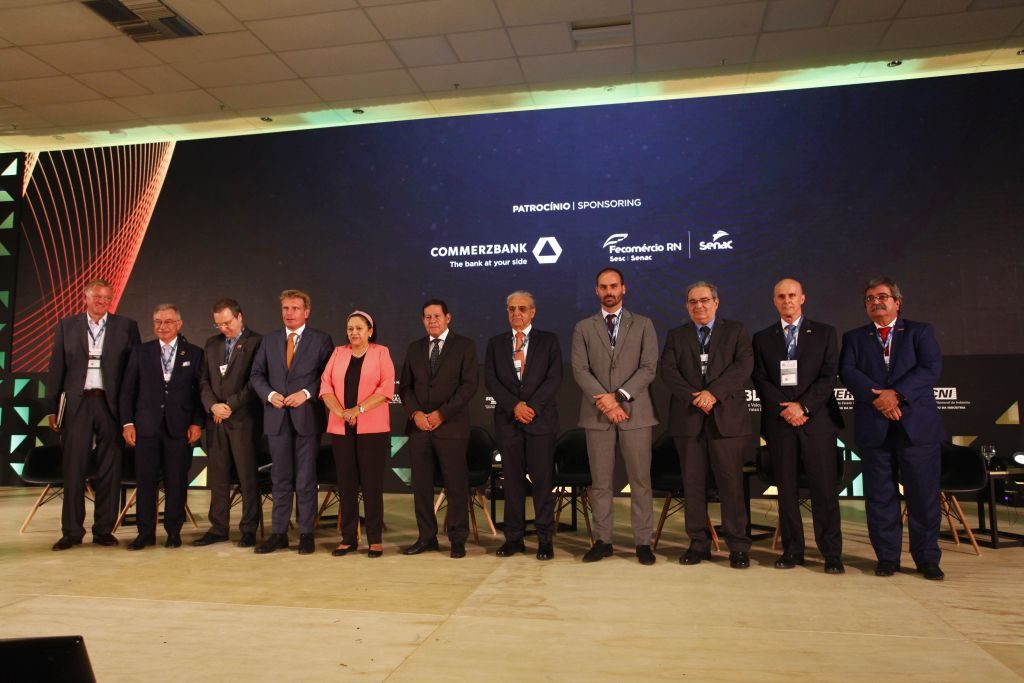
“The strategic partnership between Germany and Brazil that has existed since 2008 must be modernized and expanded to include topics related to digitization and sustainability. In addition, the bilateral government consultations must again take place at regular intervals. Because if not now, then when?” demanded LADW Chairman Andreas Renschler, member of the Group Board of Management of Volkswagen AG and CEO TRATON SE, in the economic and trade policy panel at this year’s German-Brazilian Economic Meeting. These were clear sounds against the backdrop of Natal’s beautiful Atlantic beaches, where the conference organised by BDI and CNI took place from 15 to 17 September 2019.

As one of the opening speakers of the event, the Brazilian Vice President General Hamilton Mourão, who was also acting President at the time, stressed the determination of the government to restore confidence in the country and its institutions – among other things through structural reforms, combating crime, modernising the state and trade liberalisation. This was received with great interest by more than 1,200 guests from business and politics.

In his speech, BDI President Prof. Dieter Kempf stressed the importance of rule-based trade: “The free trade agreement between the EU and Mercosur is an important signal in times of backward-looking isolation. And it will also have a positive effect on environmental and sustainability standards in the Mercosur region.”

The Joint Economic Commission met during the conference under the German co-chairmanship of Andreas Renschler and Parliamentary State Secretary for Economic Affairs Thomas Bareiß. Both sides expressed their great satisfaction with the progress achieved in the talks – for example on a new double taxation agreement and other relief for German companies in Brazil. The meeting also focused on expanding cooperation in the areas of infrastructure and digitization.

The next German-Brazilian Economic Meeting will take place in Munich from 26 to 28 August 2020.

EEBA Natal Andreas Renschler
© FIERN
BDI President Kempf
© FIERN
Opening Session
© FIERN
German-Brazilian Economic Meeting in Natal
© FIERN

LADW and BDI in conversation with Brazilian Vice President

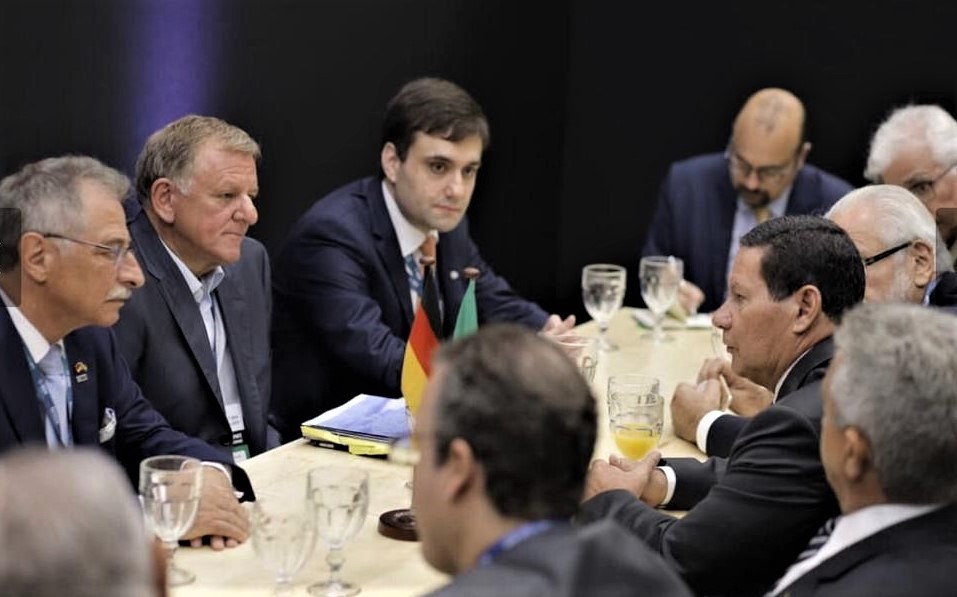
In the context of the 37th German-Brazilian Economic Meeting from 15 to 17 September 2019 in Natal, BDI President Prof. Dieter Kempf and LADW Chairman Andreas Renschler met with the Brazilian Vice-President General Hamilton Mourão, who took part in the event as acting President of the country.

The Vice-President assured German industry that Brazil would remain committed to its growth agenda with ambitious economic reforms, such as the ongoing pension reform or the tax reform in preparation, and market opening through free trade agreements, such as with the EU. Brazil’s commitment to the protection of the Amazon region was also discussed at the meeting.

Renschler confirmed the interest of German companies in bilateral cooperation and introduced General Mourão to the recently launched CEO Agenda.

Meeting with Vice President Mourão
© Vice-Presidência da República

São Paulo calls for German investment

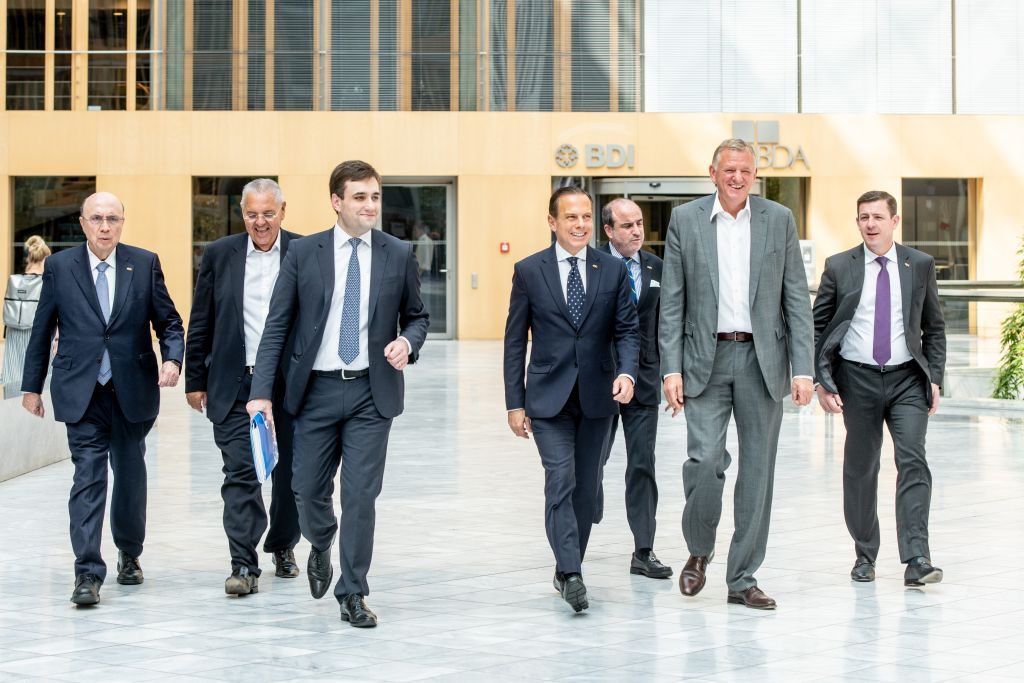
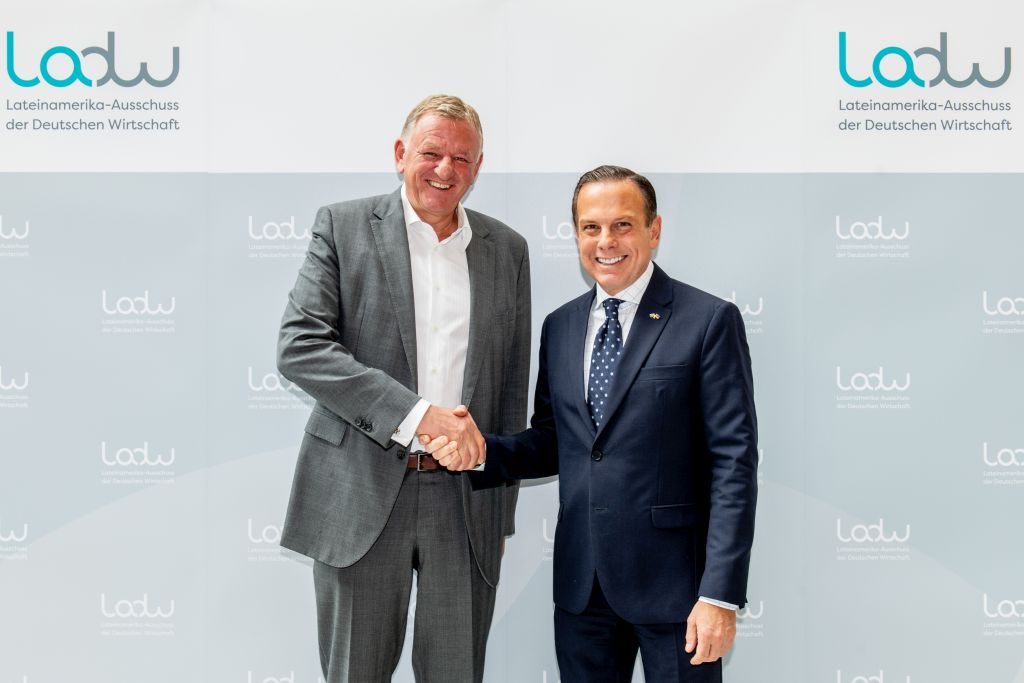
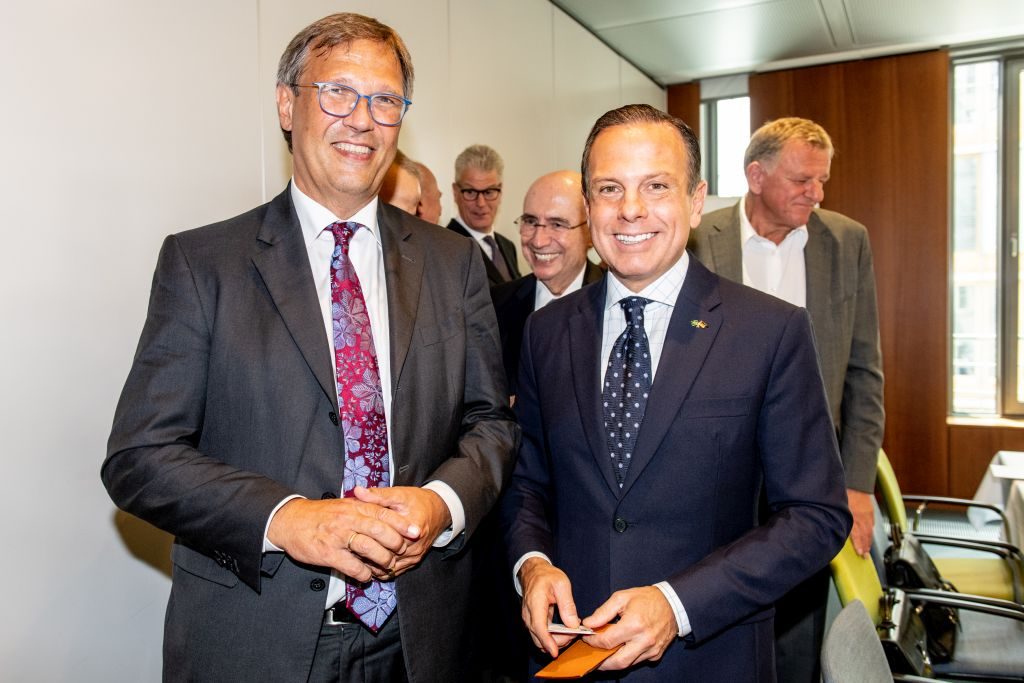
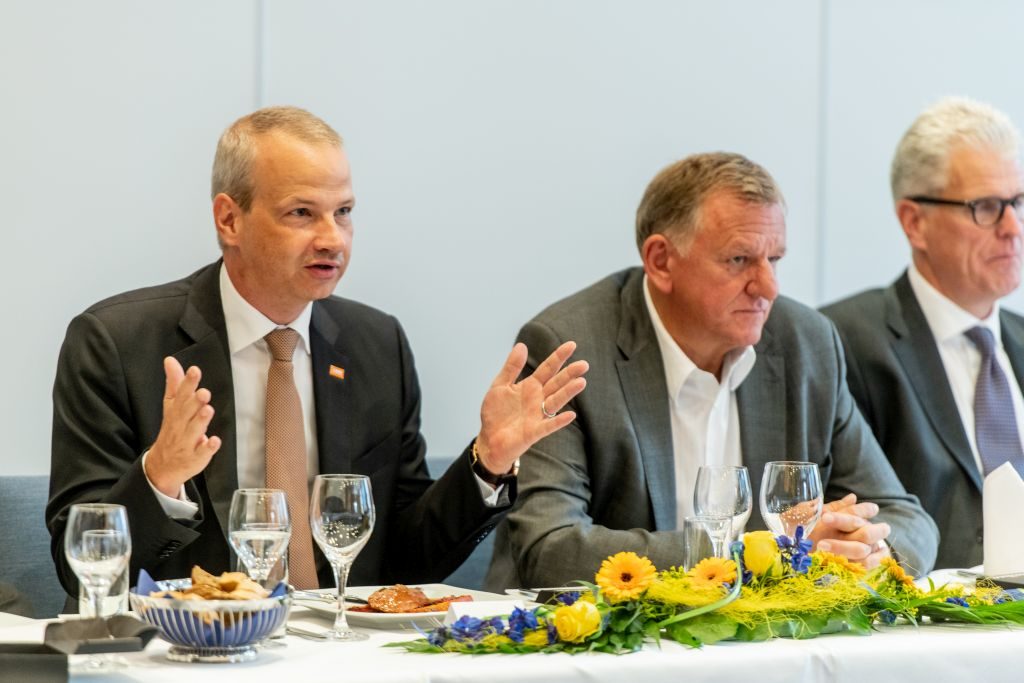
Shortly after his return from a trip to China, João Doria, Governor of São Paulo, visited Germany. Both trips focused on talks with the business community. At lunch with the Latin America Committee of German Business (LADW) at the BDI on 30 August 2019, Doria assured German companies that its administration would make São Paulo more attractive and business-friendly, for example by reducing bureaucracy and investing in digitization and infrastructure. As a former entrepreneur, Doria knows full well that a functioning business environment is the be-all and end-all for investment.

The state of São Paulo alone generates one third of Brazil’s gross domestic product. The many German companies that are concentrated there also make a major contribution to this. Even in the economically difficult last few years, they have continuously invested and expanded their commitment. The city of São Paulo itself is one of the largest German industrial locations in the world.

Governor Doria and Delegation
© Christian Kruppa
Ladw Chairman and Governor Doria
© Christian Kruppa
Dr. Stefan Mair and Governor Doria
© Christian Kruppa
Dr. Kamieth, Mr. Renschler and Mr. Dietz, MAHLE
© Christian Kruppa

Germany among the worst performers in trade and investment in Latin America: LADW calls for a change of course

LADW-Chairman Andreas Renschler: “We should increase our commitment and talk to, rather than past, each other.”

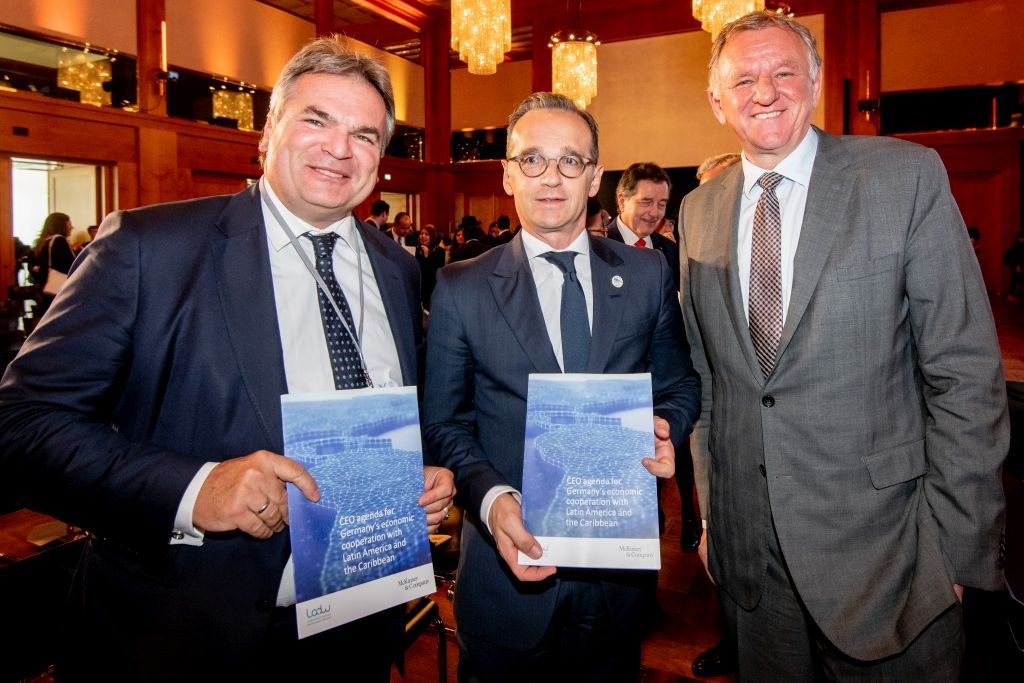
“CEO Agenda” study for economic cooperation with Latin America presented by LADW and McKinsey

Mr Renschler re-elected as Chairman of the Latin America Committee of German Business


“German companies have to become much more committed to Latin America if they don‘t want to lose out,” warned Andreas Renschler, Chairman of the Latin America Committee of German Business (LADW), on the occasion of the Latin America-Caribbean Conference held by the Federal Foreign Office in Berlin. On Tuesday, the LADW and McKinsey & Company presented the “CEO Agenda” study on economic cooperation with Latin America.

This survey concludes that Germany , formerly one of the largest investors in Latin America, is now one of the worst performers by OECD comparison. Mr Renschler, Chairman of the LADW since 2015, was re-elected to his post until 2021 at the General Meeting. He is a member of the Group Board of Management of Volkswagen AG and CEO of TRATON GROUP.

According to the “CEO Agenda”, Latin America accounts for less than three percent of German international investment, putting it almost three quarters beneath the OECD average. “Given growing protectionist trade practices worldwide, it is hard to understand why Germany, as an exporting nation, pays Latin America so little attention as an economic partner,” Mr Renschler said, continuing to remark that Chinese and US companies have indeed recognised its importance; China and the USA have pursued a consistent policy of expansion in the region: while German exports to the region have risen by an annual average of just under three percent to 38 billion US dollars over the past decade, US exports increased by almost five percent to 392 billion US dollars and Chinese exports rose by almost ten percent to 130 billion US dollars over the same period.

In the light of this trend, the “CEO Agenda” urges a change of course towards more intensive economic cooperation, productivity being a source of great potential. The contribution made by increased productivity to economic growth in the region has only been 22 percent since 2017 – a quarter of its contribution in Asia and one of the lowest in the world.

“Latin America wishes to and must become more productive. German companies can make a decisive contribution in this field,” said Mr Renschler: due to demographic change and the decline of the working population, Latin America is threatened by a 40 percent decline in annual economic growth by 2030. This could be offset by increased productivity.

“According to our analysis, this is particularly true of the fields of mechanical engineering, agriculture, healthcare, transportation, mining, oil and gas, and energy,” stated Cornelius Baur, Managing Partner (Germany) at McKinsey & Company.

But the success of the German economy in Latin America also requires political commitment on both sides of the Atlantic. “We need a long-term strategy coordinated with the German government, clear and fair competitive conditions, an improved education system in the region, and targeted support for pilot projects in such fields as digitisation, mobility and the Internet of Things,” urged Mr Renschler.

The LADW has been facilitating an exchange between politics and business in Germany and Latin America since 2015, initiating and tailoring approaches to bilateral cooperation in order to effect change and shape the future.

Mr Renschler stressed: “It is important to conduct ongoing dialogue with elected institutions. Those who wants to change something must talk to, rather than past, each other.”


About the CEO Agenda for Economic Cooperation with Latin America

With this agenda, LADW and McKinsey & Company offer decision-makers from politics and business a contemporary and factual basis for discussion and thereby contribute to the generation of sustainable perspectives for German and Latin American cooperation. The CEO Agenda was developed by McKinsey & Company for the LADW and its principle findings are summarised in a publication.

Presentation of the CEO Agenda
CEO Agenda presented by LADW Chairman Andreas Renschler and McKinsey CEO Dr. Cornelius Baur to the Federal Minister of Foreign Affairs Heiko Maas | © Christian Kruppa