

Brazil achieves historic tax reform

Several countries in Latin America have recently sought tax reforms – with mixed results. The change to the tax system now underway in Brazil is not perfect. But it shows that comprehensive improvements in the business environment are possible in Latin America if there is political consensus.

by Alexander Busch, Latin America correspondent for Handelsblatt and Neue Zürcher Zeitung


In Chile, Congress rejected a comprehensive tax reform in March, triggering a new crisis between the government and the legislature. President Gabriel Boric has now called for a bipartisan consensus to get the law through parliament after all.

In Colombia, the government succeeded in passing a reform in December 2022 – after the previous attempt two years ago had led to severe social unrest. In Brazil, the government introduced a comprehensive tax reform last week, which was approved by a large majority in the Chamber of Deputies.

This is remarkable. After all, Brazilian governments have been trying to reform for several decades. But now the opposition and the government, as well as the states, have pulled together.

Unlike the reforms in Chile and Colombia, the main aim in Brazil is not to increase tax revenues. In Brazil, the chaotic and inefficient tax system is to be completely changed. Industrial companies in particular will benefit from this.

Thereafter, five taxes currently levied at source will be combined into two value-added taxes. As a result, the current tax levies on production at source will be gradually abolished by 2033 and shifted to consumption.

This avoids cascading taxes that companies have to pay on each new production step. They are partly responsible for Brazil being an expensive country in relation to average income.

At the same time, the tax system is becoming more transparent. Tax competition between states is shifting from the tax system to state budgets. In the future, companies will no longer be given tax breaks to locate in the state or city. If mayors or governors want to attract businesses with financial incentives, they will have to show the subsidies in their budgets. Then they have to justify to their voters why, for example, a carmaker should be subsidized with millions when at the same time there is no money for hospitals and schools.

The Ministry of Finance expects growth to increase by 12 to 20 percent over the next 15 years. Previously, numerous entrepreneurs, economists and financial investors from all political camps had defended the reform – despite its shortcomings.

Because the decisive factor now will be how the long-term implementation succeeds. The reform now goes to the Senate for a vote. Numerous industries have already been able to secure reduced VAT rates. However, the level of the VAT will only be determined over time. Tax increases will begin with minimal rates to estimate the tax base. Then, by 2033, existing taxes will be phased out.

Almost 40 percent of state tax revenues are affected by the reform. A second phase of the tax reform, in which higher incomes, property and dividends are taxed, is planned. It would be necessary to make Brazil’s tax system fairer. In few countries in the world are the differences in income and wealth as great as in Brazil.

Nevertheless, the reform is a huge step forward for Brazil’s economy and state. The renowned economist Samuel Pessôa believes that it could trigger a similar growth spurt as the “Plano Real” economic reform almost 30 years ago. In 1994, the currency reform succeeded in curbing decades of hyperinflation in Brazil and stabilizing the currency. The reform gave Brazil an economic and investment boom in the mid-1990s.

The reform initiated in Brazil gives hope for Latin America: It shows that comprehensive improvements in the framework conditions for business are possible in the region.
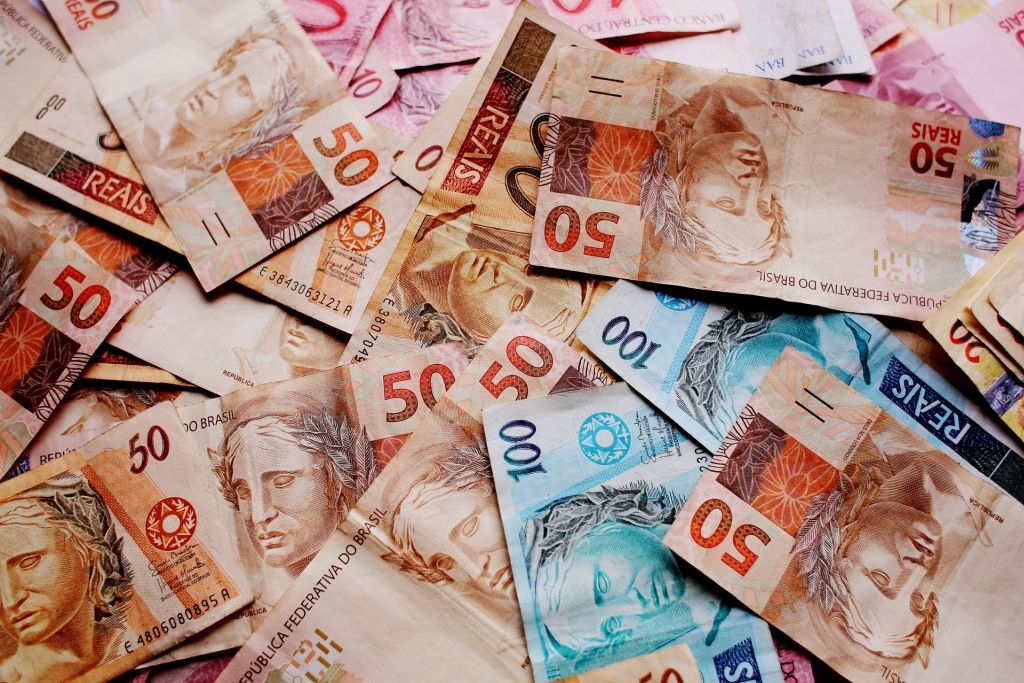
Brazilian Real
© Pixabay/Joelfotos

Buenos Aires, Santiago and Montevideo leading in quality of life in Latin America

Latin America’s business cities are expensive by international standards – but at the same time offer only medium quality of life.

by Alexander Busch, Latin America correspondent for Handelsblatt and Neue Zürcher Zeitung


Two recently published city rankings show how Latin American metropolises compare internationally.

The Liveability Index of the Economist Intelligence Unit (EIU) examines living conditions in 173 cities according to five categories: economic and political stability, health care, culture and environment, education and infrastructure.

The Global Wealth and Lifestyle Index of the Swiss private bank Julius Baer analyses the cost of a basket of goods and services for a very wealthy household in 25 cities worldwide.

Both studies apply completely different criteria in their analysis of living standards and costs in global metropolises. Nevertheless, interesting conclusions can be drawn – for example for companies that send employees to Latin America or people who want to work and live there temporarily.

Even the best Latin American metropolises are only in the global midfield in terms of quality of life. Buenos Aires, Santiago and Montevideo are leading the region. But this puts them far behind all the metropolises surveyed in Western Europe and North America, as well as the top group from Asia and Australia.

The quality of life in the three Latin American cities mentioned is comparable to that of Beijing or Shanghai, according to the EIU. São Paulo and Rio de Janeiro are slightly behind with Panama at the internationally lower level of cities like Johannesburg or Bangkok.

Despite this position in the lower midfield, three Latin American cities are among the 25 most expensive metropolises worldwide for the first time. São Paulo ranks 9th (ahead of Miami) for the cost of living for wealthy families. Mexico City follows in 21st place (like Frankfurt) and Santiago/Chile ranks 25th.

After Asia, the most expensive cities for the rich worldwide are found in North and South America – ahead of the metropolises of Europe, the Middle East and Africa, according to Julius Baer.

On the one hand, luxury goods and services have become so expensive in the cities of Chile, Brazil and Mexico because of the strength of the local currencies. On the other hand, countries like Brazil tax imported goods, so many products that are not made in the country are expensive by international standards. Real estate or local services (such as laser treatments), however, can be significantly cheaper than in comparable cities around the world.

But the sometimes high cost of living and a moderate quality of life in Latin America do not lead to uniform results in a third ranking.

The ExPat platform InterNations surveys expatriates, emigrants and digital nomads about the most popular locations worldwide: Mexico City ranked above average in third place worldwide at the end of last year. But no other Latin American metropolis was among the 50 cities listed worldwide.

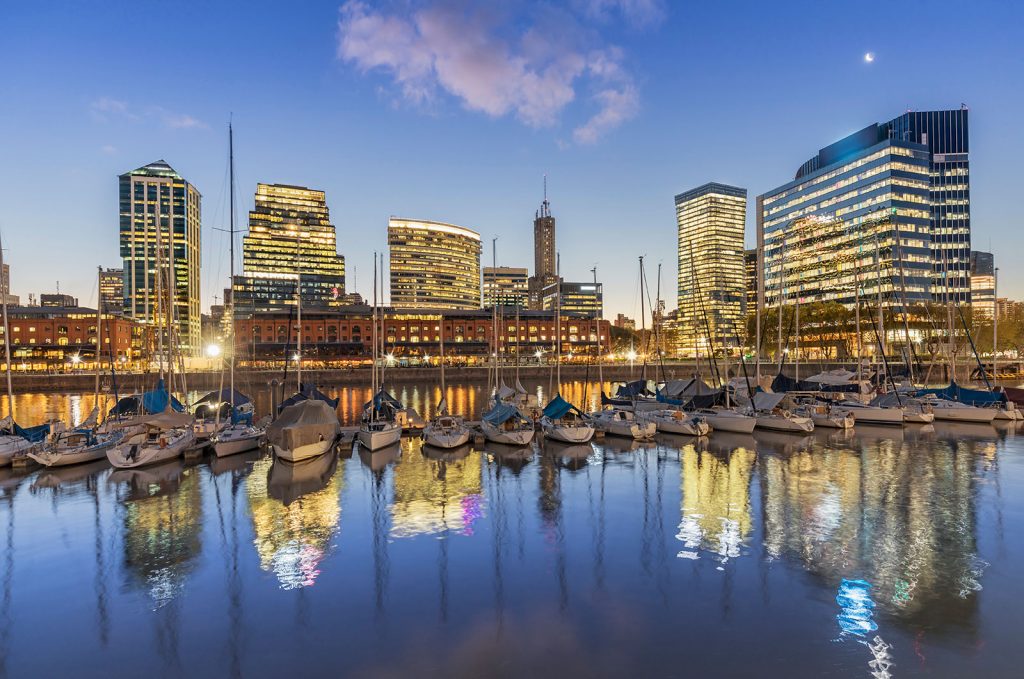
LADW Buenos Aires Skyline
© iStock | Grafissimo

Can Brazil become the “Switzerland of Latin America”?

In recent days, positive reports about the Brazilian economy have been piling up. In the country itself, the government and Congress are arguing about the course to be set in economic policy.

by Alexander Busch, Latin America correspondent for Handelsblatt and Neue Zürcher Zeitung


There is currently a change of mood in the Brazilian economy: At the beginning of June, the IBGE statistics office reported growth figures for the first quarter that were almost twice as high as most investment banks had expected.

The Brazilian economy grew by 4 percent compared to the same period last year. Agriculture in particular contributed to this boost, with an increase of almost 19 percent in twelve months. Stagnant Brazil thus suddenly found itself among the world’s four fastest-growing economies, according to a survey by Austin Rating.

Investment banks such as Goldman Sachs now expect Brazil to grow by 2.6 percent in 2023 instead of 1.9 percent. Other investment banks are also rushing to revise their forecasts for Brazil upward.

For the first time in years, the investment bank Verde Asset Management sees potential for value increases in Brazilian stocks and bonds. Verde’s otherwise skeptical analysts expect the real to strengthen and the high key interest rates (currently: 13.75 percent) to fall soon because inflation is also losing steam (3.94 percent in twelve months). With the package of budget rules just before Congress, the leftist Lula government has minimized the risk that it will increase spending disproportionately, analysts say.

Robin Brooks, President of the Institute of International Finance (IIF), also sees good prospects for Brazil. Thanks to its impressive trade surplus and the external stability it has achieved, Brazil is well on the way to becoming the “Switzerland of Latin America. A huge trade surplus is emerging that no other country in the region has”, he said. “This will give Brazil external stability and a strong currency,” the former Goldman Sachs strategist said on Twitter. Brooks also believes Brazil could become the “anchor of the region” as a country that will play a fundamental role in Latin America’s economic and financial stability.

The good mood on the financial markets contrasts with the low level of enthusiasm with which entrepreneurs view Lula’s government. From a business perspective, the president’s main ambition seems to be to roll back the positive economic reforms implemented by his right-wing populist predecessor Jair Bolsonaro.

He attacks the central bank for its high interest rates and would just as soon put it back under state control as the recently privatized energy company Eletrobras or the water industry. The government has already significantly increased its political influence over the oil company Petrobras and the national development bank BNDES.

But Lula’s bid to turn back the clock on state economic policy is being thwarted by the conservative Congress. This raises hopes for the reform agenda. The planned tax reform will be decisive for Brazil’s further economic development. The government and Congress intend to submit a first draft in the next few weeks.

Economists are unanimous in their opinion that tax reform for Brazil’s industry would be one of the best measures to significantly increase productivity in the short term. The prospects are good that Brazil could now take a step forward in this regard.

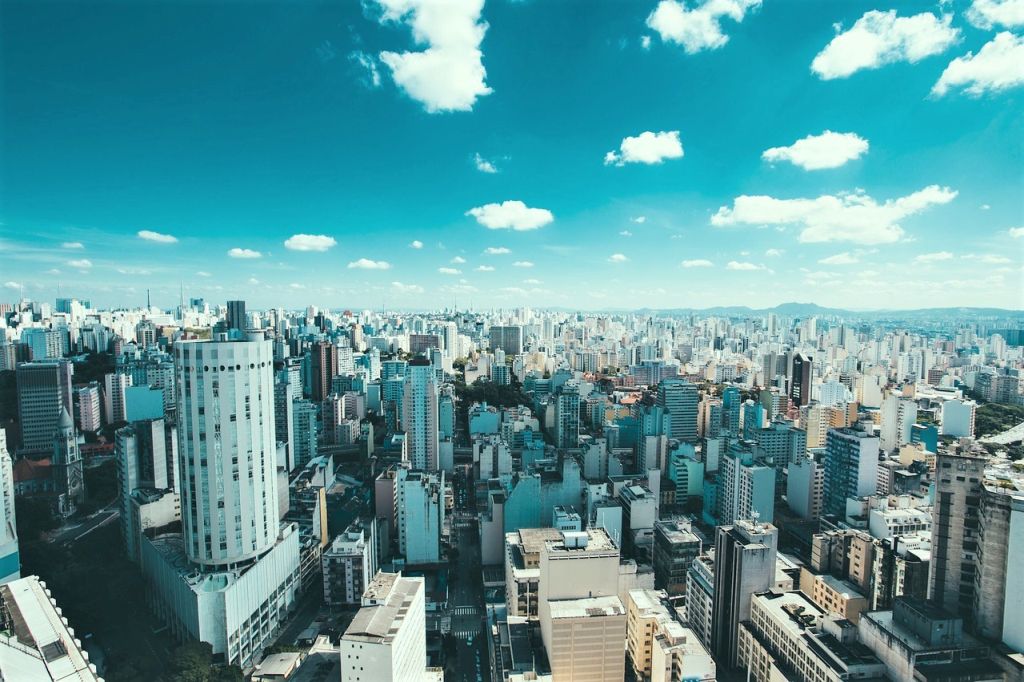
São Paulo
© Pixabay/Pexels

The chances for an EU-Mercosur free trade agreement are sinking

Environmentalists in Europe are calling for tougher rules in the agreement for Amazon protection. At the same time, doubts are growing as to whether Brazil can meet its own environmental targets at all. In addition, President Lula is increasingly losing his appeal as an integration figure in South America because of his foreign policy.

by Alexander Busch, Latin America correspondent for Handelsblatt and Neue Zürcher Zeitung


The last few days have been bad news for everyone who has been hoping since the beginning of the year that the agreement between the EU and the South American Mercosur states would be concluded after all. With the change of president in Brazil from the right-wing populist Jair Bolsonaro to the left-wing Luiz Inácio Lula da Silva, the world’s largest free trade zone seemed to have a chance after all.

But now the good prospects have clouded over considerably – both in South America and in Europe.

In Germany – until now one of the most important supporters of the agreement in the EU – opposition to the agreement is growing in the government. For the Greens, the EU Commission’s proposed forest protection addendum to the Mercosur treaty is not enough. The Federal Ministry of Economics of Robert Habeck (The Greens) considers the proposal not far-reaching enough. Backed up by scientific studies, the ministry now wants concrete forest protection targets and instruments with which their failure can be sanctioned.

The chances that the Brazilians, as well as the other Mercosur governments in Uruguay, Paraguay and Argentina, will accept such a declaration are nil. Why should they let the Europeans, who cut down their own forests a long time ago, tell them how to deal with their own forest?

Lula has just presented a new industrial policy in Brazil. Under no circumstances does the government want to allow European companies to bid for public contracts. But for the Europeans, this is an important part of the free trade agreement. The Lula government – and this is no different in Argentina – wants to use public procurement to promote its own medium-sized industry.

At the same time, after six months in office, it is clear that Lula’s government is having great difficulty implementing the announced environmental and Amazon agenda as planned. On the one hand, the agrarian lobby and right-of-center politicians dominate Congress and are doing everything they can to thwart Lula’s indigenous and Amazon policies. At the same time, even Lula’s own coalition is far from unanimous on whether oil drilling should be allowed in the Amazon delta or whether a subsidy program for cars should be relaunched.

Moreover, Lula’s foreign policy is also coming under criticism in South America. He has just invited Venezuela’s dictator Nicolás Maduro to the South America summit and praised him as a flawless democrat. Presidents Gabriel Boric (Chile) and Luis Lacalle Pou (Uruguay) strongly disagreed. Lula is thus putting Brazil’s traditional leadership role in South America at risk.

Lula’s involvement as president of by far the largest economy in the region would be important in giving the EU-Mercosur agreement on the South American side the push it needs.

In Europe, Lula’s solidarity with dictators such as Xi, Putin, and Maduro is increasingly being criticized, as is his criticism of the United States and Europe. For example, he criticizes the North as the culprit for Venezuela’s or Argentina’s crises.

For opponents of the agreement with South America in Europe, these are all arguments against the agreement. So it will be more difficult than expected with the free trade agreement. But the window of opportunity for an agreement is still open until the end of the year. A lot can still change between now and then.

Flagg_EU
© Pixabay/Dusan_Cvetanovic

Is the election result in Chile the beginning of a shift to the right in Latin America?

In Chile, the political right has now total control in the drafting of the new constitution. Yet President Gabriel Boric was elected only a year ago with a left-wing majority. A similar pendulum swing to the right could soon be repeated in Argentina and, in the medium term, in Brazil or Colombia.

by Alexander Busch, Latin America correspondent for Handelsblatt and Neue Zürcher Zeitung


In one and a half years, the political mood in Chile has completely changed. As recently as December 2021, a majority elected former student leader Gabriel Boric and his left-wing governing coalition.

Now the majority of Chileans voted right-wing conservative in the elections to the Constitutional Council. The Republican Party around former presidential candidate José Antonio Kast experienced a landslide victory. Together with the traditional right, they now have a qualified majority in the Council. The council is to draft the new constitution by November. Boric’s left-center coalition did so poorly that it does not even have a veto power in the body.

This has created the paradoxical situation that a right-wing party that never wanted a new constitution will control the drafting of a new Basic Law.

The reason for the change in Chile’s voting behavior can be explained by the weak performance of the Boric government. Two-thirds of the people in Chile reject his center-left government. The population is concerned about high crime, recession and high inflation, as well as immigration. Right-wing parties traditionally score well on these issues.

Although in 2020 almost 80 percent of Chileans still wanted a new constitution, this is no longer so important to them. They have other more existential problems. In addition, voting fatigue is spreading in Chile: The 15 million voters have been called to the polls seven times since then.

It will now be exciting to see whether Kast and his party will seize the opportunity and actually draft a new bill. The majority of Chileans want more social democratic elements to be integrated into the existing constitution. However, it is also quite possible that Kast and his political comrades-in-arms will take a confrontational course. They could try to turn right-wing conservative demands such as the one for a general ban on abortion into constitutional laws.

If so, there would be a strong likelihood that the next vote in December would also reject this bill – as it did the previous left-wing version in September 2022. A rejection would reduce Kast’s future political chances.

The majority of investment banks have welcomed the result of the vote in Chile. They now hope that the general uncertainty about the future constitution and the economic course of the Boric government will be reduced and investors will regain confidence in the Andean country. Nevertheless, political tensions will continue.

However, it is quite possible that this shift to the right could be repeated in other countries in the region in the short to medium term. In other words, everywhere where the ruling left-wing governments are not very successful in addressing the concerns and needs of the citizens.

This is the case in Argentina, for example, where a conservative government will probably be elected in October – after the politically weak term of office of the Peronist Alberto Fernández. But Gustavo Petro in Colombia and even Luiz Inácio Lula da Silva are already showing clear signs of weakness at the beginning of their governments.

Anden
© Unsplash/Caio Silva

Increasing pressure on central banks and finance ministers in Latin America

Few expected the significantly higher growth in the first quarter of this year. But the decisive factor for the longer-term economic trend will be when the central banks cut their interest rates. A fierce dispute has broken out in the region over this.

by Alexander Busch, Latin America correspondent for Handelsblatt and Neue Zürcher Zeitung


In the first quarter, growth in most Latin American economies was significantly higher than expected. At the beginning of the year, for example, the investment bank JP Morgan forecast contractionary growth of -0.4 percent in gross domestic product in the first quarter. Now, economists expect that the economy in the region may have grown by 2.1 percent.

The economies of Chile, Brazil and Mexico in particular grew significantly more strongly. This was due on the one hand to stable exports to China (Chile), record results in agricultural exports (Brazil) and the further recovery in domestic consumption (Mexico). Only in Peru, Uruguay and Argentina was growth significantly lower than expected.

But the recovery could soon be over again. The International Monetary Fund and most investment banks continue to forecast low growth for the region this year: After the 3.6 percent increase last year, growth is likely to fall to around one percent, according to JP Morgan. Oxford Economics expects growth of just 0.4 percent in the region’s six largest economies.

Because the economy is now threatening to cloud over again, governments in all countries have increased the pressure on the central bank and the finance minister. They want the banks to finally lower interest rates and the finance ministries to expand government budgets. Private consumption and investment could then increase, and the state would have more capital available to stimulate growth.

But the central banks refuse because they want to fight the still high inflation in their countries with a restrictive monetary policy. Their mandate is not growth, but monetary stability. Finance ministers are also trying to control spending so that deficits in national budgets do not grow again.

Brazilian President Luiz Inácio Lula da Silva, for example, repeatedly blames the central bank for slow growth. He would love to fire the central bank president. But that is not possible. The central bank is autonomous. Lula cannot replace the president until the end of next year.

In Colombia, Gustavo Petro has just replaced José Antonio Ocampo, his finance minister who is respected by investors, in a cabinet reshuffle. In Mexico, President Andrés Manuel López Obrador cut the salary of top officials because the central bank’s decisions are a thorn in his side.

However, the governments’ attacks on the central banks are having a negative effect: In Brazil, for example, inflation expectations for the end of 2023 have risen from around 5 to 6 percent. Investors fear that the central bank, under pressure from the government, could cut interest rates faster than necessary to meet the inflation target. In Colombia and Mexico, too, interest rate cuts are likely to start later than recently expected, thus weighing on growth.

The good news: In Uruguay, Latin America’s first central bank has now cut its key interest rate. In Chile, this could be the case from the middle of the year.

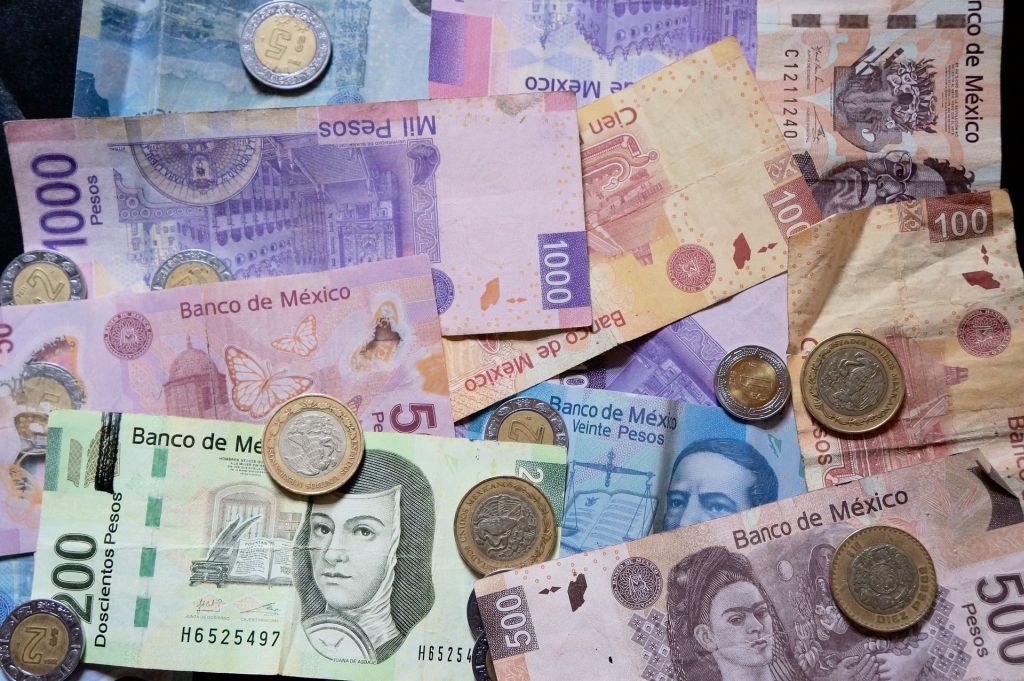
mexican-pesos
© Pixabay/Yolanda

Brazil and Mexico have the same problem: they are growing too little

The two largest economies in Latin America are currently developing in an astonishingly similar way – even though they have completely different structures.

by Alexander Busch, Latin America correspondent for Handelsblatt and Neue Zürcher Zeitung


In Brazil and Mexico, Latin America’s two largest economies, central banks have been raising interest rates to curb inflation long before the FED and the ECB. According to forecasts by investment banks such as JP Morgan, inflation in both countries will fall to around 5.5 percent this year.

But the successes on the inflation front have come at a high price: High interest rates in Brazil are one of the reasons why the economy slipped into recession late last year. This year, Brazil will grow by just 0.5 percent (2022: 2.9 percent). In Mexico, on the other hand, growth forecasts for this year have recently improved, despite high interest rates. However, the number two economy in Latin America will also only grow by 1.7 percent this year. In 2022, the figure was 3.1 percent.

Mexico benefits above all from its proximity to the USA and privileged access to the world’s largest single market. The USA, Mexico and Canada are integrated with each other in the USMCA free trade area. Now, in short order, BMW and then Tesla have announced that they will start production of electric cars in Mexico. Already last year, foreign corporations invested $35 billion in Mexico, the most since 2015. Remittances from Mexicans in the U.S. account for an additional four percent of GDP.

But Brazil also increased its foreign investment to $91 billion last year. This puts the country in fourth place worldwide in terms of foreign direct investment. The last time the figure was this high was eleven years ago, when Brazil was still growing at double-digit rates.

In many other respects, too, the two largest economies are similar in macro data, despite the different structure of their economies: While Brazil mainly exports raw materials, food and energy, Mexico’s exports are dominated by industrial products. Consumption on the domestic market is crucial for growth in both economies. Brazil, for example, concentrated 38 percent of Latin America’s GDP with a gross domestic product of $1,919 billion. Mexico followed with $1,421 billion and 23 percent of regional economic output.

In terms of inflation, current account deficits and dollar debt, the two economies are fairly similar. The most important differences can be seen in their national budgets: While Brazil produces a national deficit of more than eight percent of GDP, i.e. spends far more than it takes in, the deficit in Mexico’s national budget is only four percent.

However, both economies are performing similarly badly in one crucial respect: they are both growing far too little compared with the average for the emerging markets worldwide. Mexico has barely returned to its pre-pandemic level. Next year, both economies will grow by just one percent – according to JP Morgan. That is far too little in view of the poverty problems in these countries.

Mexico
© Fotolia/Daniel Hohlfeld

EIU Democracy Index: Chile rises, Mexico loses

The quality of democracies in Latin America has continued to decline every year since 2015. Nevertheless, there are positive developments.

by Alexander Busch, Latin America correspondent for Handelsblatt and Neue Zürcher Zeitung


Latin America remains the region in the world with the highest density of democracies after North America and Europe, according to the Economist Intelligence Unit’s (EIU) latest Democracy Index for 2022. But the quality of democracies in Latin America has continued to decline – for the seventh year in a row.

There are two contrasting regional trends in Latin America with regard to democracies: Central America, the Caribbean and Mexico are becoming increasingly authoritarian. South America, on the other hand, is largely able to maintain the level of its democracies.

El Salvador, Mexico and Haiti are the region’s democratic rejects.

This is particularly worrisome for Mexico, where about 20 percent of Latin Americans live. President Andrés Manuel López Obrador is persistently trying to reduce the influence of the electoral authority and is increasingly relying on the military in the economy. In addition, the independence of the media is threatened, according to the EIU.

In South America, on the other hand, democracies held their own last year, especially in Brazil, Colombia and Chile. There, fundamental political changes legitimized by elections have taken place.

In Brazil, the increasing erosion of democratic institutions under President Jair Bolsonaro was halted when he was voted out of office. His supporters’ attempt to annul the election results with the help of the military also failed.

In Colombia, Gustavo Petro was the first left-wing politician to come to power with a clear mandate from voters. In Chile, too, Gabriel Boric has been elected as a left-wing president amid complex constitutional reform.

In both states, the elections were not challenged despite the sometimes close results. It was possible to defuse the charged and polarized mood among the population. Shortly before the pandemic, there had been nationwide, violent protests in both states.

In addition, three countries in South America – Uruguay and Chile, along with Costa Rica in Central America – are in the top democratic group of 24 countries worldwide. This shows that democratic progress is possible even in the face of complex challenges in the region. Uruguay is the top performer at 11th place, three positions ahead of Germany. Costa Rica and Chile are roughly on a par with Great Britain or Austria.

Nevertheless, this is little consolation: These three model democracies unite just four percent of the 670 million Latin Americans. Just under half (45 percent) live in authoritarian states or democracies with major shortcomings, i.e. “flawed democracies. For almost two-thirds (62 percent) of Latin Americans, the state of their democracies has deteriorated.

Dictatorships are Cuba, Nicaragua, Venezuela and Haiti. In El Salvador, President Nayib Bukele is transforming his country into an authoritarian regime.

The EIU sees the growing power of drug mafias and militias as one of the greatest threats to democracies in Latin America. Their extremely high profits make it easy for them to undermine democratic institutions through corruption.

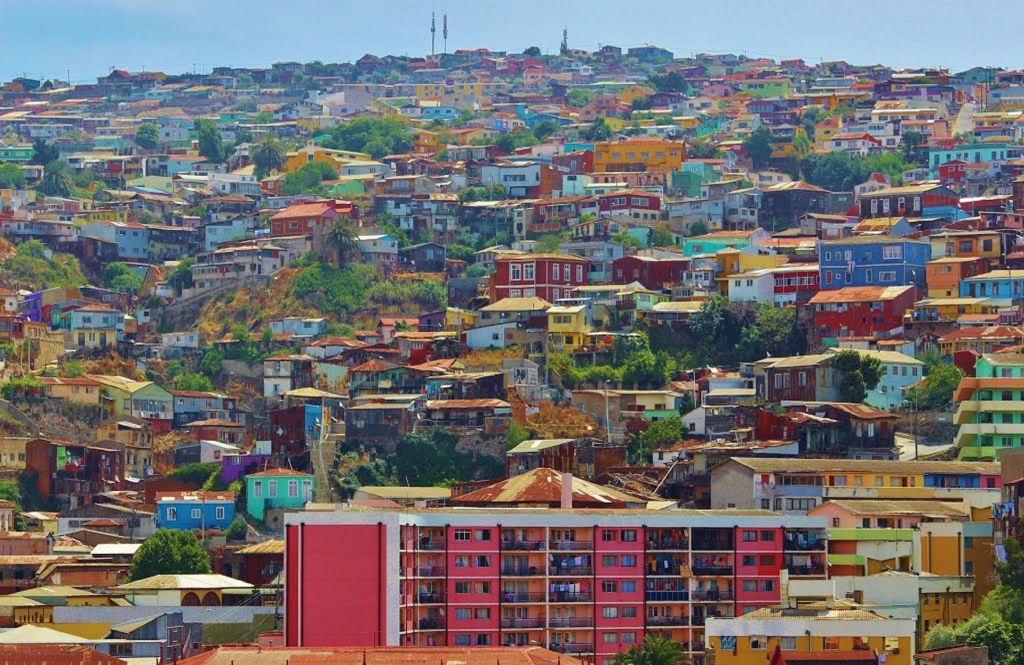
Valparaiso
© Pixabay/Michelle Maria

Germany and South America update their relations – it was about time for that

Chancellor Scholz’s visit paves the way for closer cooperation with the long-neglected region. It is the first step in a rapprochement between partners who have lost sight of each other.

by Alexander Busch, Latin America correspondent for Handelsblatt and Neue Zürcher Zeitung


Chancellor Angela Merkel last visited Brazil eight years ago. She launched consultations between the two governments as part of the strategic partnership with the country. These were to take place at the highest level regularly every two years.

But it never came to a continuation. Brazil was already in the midst of a serious economic and political crisis. Shortly thereafter, Dilma Rousseff was impeached. Brazil’s economy stagnated for over a decade, and most recently President Jair Bolsonaro isolated Brazil in the West with his environmental and human rights policies.

In retrospect, it can be said that Germany was ten years too late in offering government consultations with Brazil. After all, Brazil’s economic boom and geopolitical revaluation took place between 2005 and 2012. Germany had simply slept through the spirit of optimism in South America.

But Latin America as a whole was also not a priority for the German government for a long time. Merkel’s 2017 visit to Mexico and Argentina went largely unnoticed. Foreign Ministers Guido Westerwelle (2009 to 2013) and Heiko Maas (2018 to 2021) tried to elevate the region as a focus of their foreign policy – with little success.

That has now changed: Chancellor Scholz just visited Argentina, Chile and Brazil in a four-day trip. This time, many things were right:

Timing: The chancellor visited governments that welcomed foreign attention. In Brazil, Scholz was the first visiting head of government to pave the way for his colleague Lula to return to world politics. He paid respect to isolated Argentina. President Boric in Chile, who is in a polling slump, could also use Scholz’s support. In all three countries, the visit from Germany was well received. That was not always the case.

Political affinity: Governments in power in the states are politically close to the traffic light coalition in Berlin. Mutual trust is greater than in the last two decades. That makes the exchange easier.

Coalition of interests: Just as Germany wants to secure raw materials, energy and sales markets in South America, South American governments are hoping for technology transfer, better market access and political alternatives to the major powers China and the USA from Europe. The agreement between Mercosur and the EU could benefit from this. It is interesting for both sides.

Strategy: Scholz appeared in South America with a mixture of soft power and cash. During his visits, he emphasized the value of human rights and the fight for democracy. Svenja Schulze, Minister for Economic Cooperation and Development, who was also present in Brazil, suggested closer cooperation on environmental and climate policy and announced generous funding for an emergency program.

In Germany, the headlines were dominated by Brazil’s President Lula’s refusal to take sides in the Ukraine conflict and his insistence on a peace solution.

However, this is not surprising and shows how difficult it is for the West to mobilize the global South against Putin in the Ukraine war. In Latin America, support for sanctions against Russia is low.

This experience is just as important for Berlin as it is for Brasília, Buenos Aires and Santiago: Only if Europe and Latin America subject their relations to a reality shock will the chances for future realistic agreements increase. The EU-Mercosur agreement, which is on ice after 20 years of negotiations, is a cautionary example of how not to proceed.

Brasília Bridge
© Pixabay/doloresbarrioslua

The German Chancellor visits South America – the timing could not be better

The Chancellor meets the presidents of Argentina, Chile and Brazil during his lightning visit. All governments are currently welcoming political support from Europe. These are good conditions to talk about reviving the EU-Mercosur agreement and the supply of raw materials and green energy.

by Alexander Busch, Latin America correspondent for Handelsblatt and Neue Zürcher Zeitung


Rarely before is a German chancellor likely to be received with as much goodwill and attention in South America as he is these days – even though Olaf Scholz will spend less than a day each in Buenos Aires, Santiago and Brasília.

All these governments are currently under great pressure:

In Argentina, the economy and politics are in a severe crisis. Inflation is almost 100 percent, the foreign exchange coffers are empty and the economy is threatening to stagnate again. The government is at a loss as to how to drive the country out of the crisis. Without help from the IMF, the country would be insolvent.

For President Alberto Fernández, the chancellor’s visit is above all an important political boost to show that Argentina is not isolated. Elections are in October, so any positive news is a plus for Fernández.

As a negotiating partner, Argentina is difficult: Within Mercosur, Argentina is the biggest brakeman, wanting protected markets for its industry and renegotiating the agreement.

In Chile, President Boric’s popularity rating is in the basement: two-thirds of Chileans disapprove of his government. Inflation is at an all-time high of nearly 13 percent, and the central bank is putting the brakes on. The economy will stagnate this year.

Politically, Boric’s government may be the closest to the red-green-yellow coalition in Berlin in South America. In addition, the government is interested in a close partnership with Germany in raw materials and renewable energies and is much more advanced and reliable in this area than Argentina or Brazil.

Brasília is the chancellor’s most important stop. Lula is about to return Brazil to the stage of world politics. Shortly after Scholz, he will meet Presidents Joe Biden in the United States and Xi Jinping in China. After narrowly winning the election, taking office and rioting in Brasília, Lula has gained political strength. The business community remains skeptical of him.

The Brazilian president is also interested in a quick conclusion of the EU-Mercosur agreement and is trying to close ranks between the four member states in South America to achieve this. With a convincing environmental and human rights agenda, he will help Scholz reduce resistance to an agreement with Mercosur in Europe as well.

Lula currently seems to want to revive his former foreign policy: In doing so, he sees Brazil in the role of mediator and spokesman for the global South. Whether this ambition still fits into the era of increasing geopolitical tensions and disputes remains to be seen.

However, this means that Europe is only one and certainly not Brazil’s most important foreign policy partner – the United States and China clearly have priority for the pragmatist Lula. The reverse is also true: China is currently highly active in reviving its investments and political channels to Brazil and South America after the pandemic break. On the part of the U.S., too, the Lula government is receiving a level of attention that Washington has not shown toward Brazil in decades.

The chancellor’s visit is also so important because Berlin has left the continent on the sidelines for almost a decade. For German business, Scholz’s trip is therefore a special opportunity to get its foot in the closing door in South America after all.

Amazon rainforest
© Pixabay/Nile